
What Causes Cat Coughing and How to Help
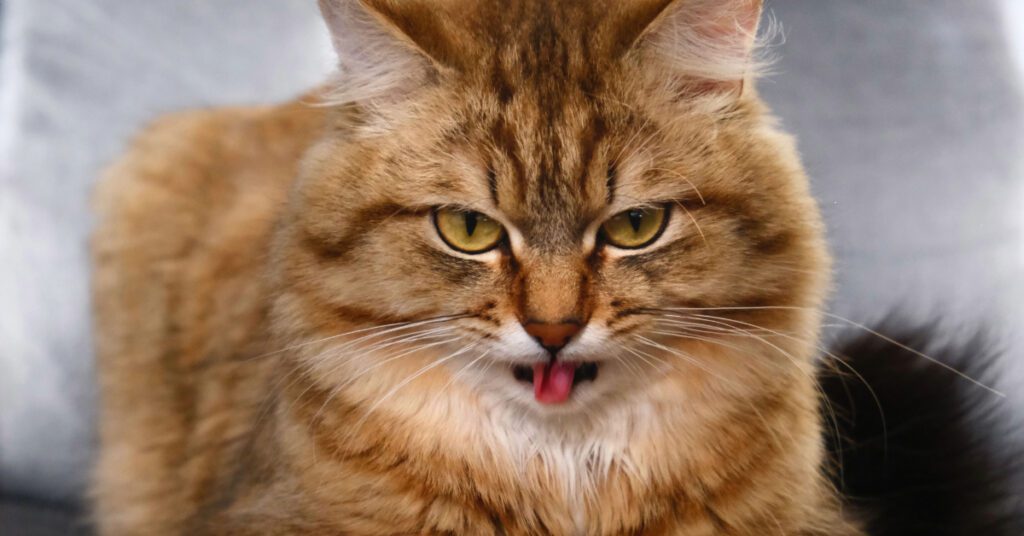
Cat coughing catches a lot of owners off guard, mostly because cats don’t cough nearly as often as dogs do, so when it happens, it’s genuinely worth paying close attention. Occasional cat coughing can be completely harmless, but it can also be an early sign of something that needs prompt veterinary attention. At Yalesville Veterinary Hospital, we help owners sort through the many possible causes of cat coughing on a regular basis, from simple hairballs to more serious respiratory conditions. Because cats are often quite skilled at hiding illness until symptoms become fairly obvious, a new cough is worth noting even if your cat otherwise seems perfectly fine. Below, we’ll cover what cat coughing actually looks like, the most common causes, what to do if you notice it, how veterinarians diagnose the underlying issue, and how cat coughing is typically treated.
What Is Cat Coughing?
Cat coughing is a sudden, forceful expulsion of air meant to clear the airway of irritants, mucus, or foreign material, and it looks different from vomiting even though the two are often confused by owners at first glance. Recognizing the difference is the first step toward figuring out what’s actually going on with your cat and how urgently it needs attention.
Coughing Versus Other Behaviors
Cat coughing usually involves a crouched posture, an extended neck, and a hacking or gagging sound, which owners frequently mistake for an attempt to vomit or bring up a hairball. Understanding the difference truly matters, since true coughing points toward the respiratory system rather than the digestive one. A cat that’s vomiting will typically produce actual contents, while a coughing cat is working to clear the throat or airway without bringing anything up at all. Watching a full episode closely, rather than reacting to the first sound, usually makes the distinction much clearer.
What Cat Coughing Sounds Like
Cat coughing can range from a single, isolated hack to repeated fits that leave a cat looking winded or uncomfortable. Some cats will cough only once in a while, while others develop a more persistent pattern that shows up daily or with certain specific triggers like dust or activity. The sound itself can vary too, from a dry, raspy hack to a wetter, more productive-sounding cough depending on what’s causing it. Some cats also extend their neck low to the ground during a coughing episode, which can look alarming but is simply part of the reflex.
Why Is My Cat Coughing?
There are several possible explanations behind cat coughing, ranging from minor irritation to more significant underlying conditions that need professional attention and follow-up care. Narrowing down the likely cause often starts with thinking carefully about when the coughing began and what else has changed recently in your cat’s routine or environment.
Hairballs and Airway Irritants
Hairballs are one of the most familiar causes of cat coughing, especially in longer-haired breeds or cats that groom themselves frequently, and they typically resolve quickly without leaving any lingering symptoms. Dust, smoke, strong fragrances, and other airborne irritants can also trigger a coughing fit in an otherwise perfectly healthy cat, particularly right after cleaning or during dry, dusty seasons of the year.
Respiratory Infections and Asthma
Upper respiratory infections, often viral in nature, are a fairly common cause of cat coughing, particularly in kittens or cats in multi-cat households where illness can spread more easily between animals. Feline asthma is another frequent culprit, causing inflammation and narrowing of the airways that leads to recurring bouts of coughing and sometimes noticeable wheezing, often triggered by stress, allergens, or seasonal changes in air quality.
Heartworm Disease and Other Causes
Heartworm disease, though less common in cats than dogs, can cause persistent cat coughing along with other respiratory symptoms, and it’s often missed because symptoms can be subtle at first. Less commonly, a foreign object lodged in the throat or airway, or a heart condition affecting lung function, can also be behind ongoing coughing that doesn’t seem to resolve on its own over time. A quick summary of the main categories:
- Hairballs or airborne irritants: usually mild and infrequent
- Upper respiratory infection or feline asthma: often recurring and may include wheezing
- Heartworm disease or a foreign object: less common but can cause persistent symptoms
What To Do If Your Cat Is Coughing
Knowing how to respond to cat coughing depends largely on how often it happens and what else is going on with your cat at the time it occurs. Staying calm and observant, rather than jumping straight to conclusions, is usually the most helpful first step you can take.
Track the Pattern
Keeping a mental or written note of when the cat coughing happens, how long it lasts, and whether anything seems to trigger it gives your veterinary team valuable information to work with. A single, isolated cough after grooming is very different from more persistent coughing that happens daily or steadily gets worse over time. Recording a short video of an episode on your phone can also be genuinely helpful, since cats often stop coughing the moment they arrive at the clinic and lose their nerve to demonstrate the symptom.
When to Seek Veterinary Care
Any cat coughing that’s frequent, worsening, paired with labored breathing, lethargy, or a loss of appetite should always be evaluated by a veterinarian promptly rather than waiting to see if it goes away on its own. The team at Yalesville Veterinary Hospital can help determine whether the coughing is something minor or a sign of a more serious respiratory issue. Watch for these signs that call for a prompt visit:
- Coughing that happens daily or is increasing in frequency
- Labored or open-mouth breathing, wheezing, or blue-tinged gums
- Lethargy, appetite changes, or weight loss alongside the coughing
Diagnosing Cat Coughing
Getting to the root of cat coughing usually starts with a detailed history and a hands-on physical exam performed by a veterinarian. Sharing as much detail as possible about when it started and what it looks like helps your veterinary team narrow things down faster and more accurately.
The Diagnostic Process
A veterinarian will typically listen carefully to the lungs and heart, ask about recent changes in environment or behavior, and may recommend chest X-rays, bloodwork, or other testing to narrow down the cause. In some cases, additional diagnostics like a fecal test or heartworm screening may be recommended depending on the cat’s history, age, and overall symptoms at the time of the visit. A typical workup may include:
- Physical exam and listening to the heart and lungs
- Chest X-rays or imaging to look for changes in the airway or lungs
- Bloodwork or additional testing based on the suspected cause
Cat Coughing Treatment
Treatment for cat coughing depends entirely on the underlying cause, which is why an accurate diagnosis always comes first, rather than trying to guess at a fix without professional input. A hairball-related cough may resolve fairly quickly with simple dietary or grooming adjustments, while feline asthma or a respiratory infection typically requires a more targeted veterinary treatment plan tailored to the specific diagnosis and the cat’s overall health. Because so many different conditions can cause coughing in cats, guessing at home isn’t a substitute for a proper evaluation, especially if symptoms are persistent or getting worse over time. If your cat has been coughing and you’re not sure why, call (203) 265-1646 or book an appointment online. Our team at Yalesville Veterinary Hospital is ready to help you get a clear answer and a treatment plan suited to your cat’s specific situation and needs.