
Beyond Tired: Recognizing and Responding to Cat Lethargy
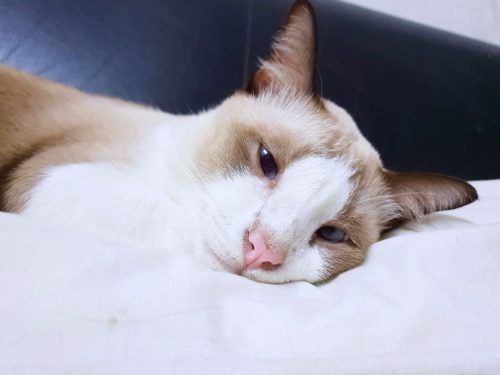
Cats sleep a lot, so noticing the difference between normal rest and true cat lethargy matters. Cat lethargy describes a noticeable drop in energy, activity, curiosity, and responsiveness. A lethargic cat often moves less, interacts less, and may appear withdrawn or unusually still. Because many conditions can lead to cat lethargy, recognizing these changes early helps you take the next step with confidence. If you notice a shift in your cat’s energy level or daily habits, Yalesville Veterinary Hospital in Yalesville, Connecticut can help. Call (203) 265-1646 or book an appointment online today.
Cats have a talent for hiding how they feel, which means subtle changes often reveal more than dramatic ones. This blog explores how cat lethargy appears, why it happens, and what steps help you support your pet’s well-being. You’ll find detailed explanations, clear examples, and guidance on what signs warrant a call to your veterinarian. By the end, you’ll have a clearer understanding of cat lethargy and feel prepared to act if your cat’s behavior shifts.
Recognizing Cat Lethargy in Day-to-Day Life
Cat lethargy can be easy to overlook because it blends into normal feline behavior. Most cats nap for long stretches, enjoy slow mornings, and pick their own activity schedule. However, cat lethargy stands out when you focus on your cat’s usual rhythm and spot changes in interest, movement, or routine. When a typically active cat suddenly spends the day hidden, uninterested, or still, the contrast becomes clearer.
A cat showing cat lethargy might ignore toys, skip routine greetings, or take longer to respond when their name is called. Some cats move stiffly or slowly, while others stop perching in high places or choosing their favorite spots. Decreased grooming is another sign often linked to cat lethargy, creating a slightly dull or unkempt coat. Owners sometimes describe their cats as “not themselves,” which is an accurate way to capture the shift in energy. This is why observing behavior over several days provides important context and helps identify a meaningful change.
Behavioral Red Flags to Watch For
Several specific behaviors help you identify cat lethargy early. Cats experiencing cat lethargy may stop following their usual routines, ignore mealtimes, or avoid interaction. Even small differences in body posture or activity level offer valuable clues. Cats who normally enjoy windows, climbing, or exploring may avoid movement altogether.
Some cats withdraw from the household environment and isolate themselves. You may notice them sleeping in unusual places, refusing play, or resting for longer periods without waking easily. While one quiet day may not mean much, repeated signs point strongly toward cat lethargy. Observing these patterns helps you track changes and communicate them clearly when you reach out to your veterinarian.
Common Situations and Conditions Linked to Cat Lethargy
Cat lethargy doesn’t stem from a single cause. Cats experience low energy for many reasons, and the possibilities range widely. This is why monitoring your cat’s behavior over time proves helpful. Identifying patterns, shifts, or new behaviors can guide next steps. Cat lethargy also varies in intensity; one cat may show mild slowdown while another appears completely uninterested in usual activities.
Many situations, stressors, and health conditions can influence cat lethargy. Physical discomfort, digestive upset, respiratory changes, and emotional stress can all reduce energy. Even changes in the home (new pets, visitors, renovations, or disruptions) can influence how cats behave. Understanding the variety of potential causes gives you a more complete picture when assessing your cat’s behavior.
Environmental Stress and Routine Disruption
Cats often react strongly to unpredictability. When a home’s routine changes, some cats respond with lower energy or withdrawal. This type of cat lethargy may appear after moving to a new home, introducing a new pet, rearranging furniture, or altering household schedules. These shifts may seem small to humans but hold significant weight for cats. Cats experiencing stress may hesitate to eat, hide, or rest in unfamiliar places. Their overall activity level may drop. Watching for these changes helps you determine whether the environment could be influencing your cat’s energy. While most cats adjust with time, persistent cat lethargy still warrants attention.
Changes in Appetite or Hydration
Eating and drinking patterns often shift when cats experience cat lethargy. Cats may skip meals, nibble less, lose interest in treats, or drink noticeably less. Some cats drink more than usual and still appear tired throughout the day. These appetite or hydration changes give you helpful insight into how your cat feels.
When low appetite pairs with cat lethargy, it suggests that something more significant may be happening. While a single missed meal doesn’t always indicate a major concern, repeated changes reveal important information. Cats rely on consistent nutrition, so tracking food and water intake helps you offer accurate details when speaking with your veterinarian.
How Cat Lethargy Develops Over Time
Cat lethargy can appear suddenly or develop slowly over days or weeks. Understanding the timeline helps you determine what information to share during your veterinary visit. Cats with sudden cat lethargy often show a noticeable drop in activity all at once, while gradual cat lethargy builds and becomes more prominent over time.
Cats experiencing developing cat lethargy may begin by resting more during the day, grooming less, or showing mild hesitation with usual activities. Over time, these behaviors intensify, leading to longer sleep periods, decreased energy, or withdrawal. Monitoring this progression helps you understand your cat’s overall pattern and provide a clearer description of what you’re seeing.
Sudden vs. Gradual Lethargy
Sudden cat lethargy stands out because of its dramatic shift. A cat that usually greets family members at the door may suddenly stay curled in one spot. Sudden changes in interest, mobility, or responsiveness may signal an immediate concern, and reaching out to your veterinarian gives you guidance on next steps. Gradual cat lethargy can be more challenging to notice because each small change blends into the next. Cats may sleep more, avoid jumping, ignore toys, or show subtle changes in posture. Observing how long these changes last and whether they worsen helps shape an accurate timeline.
When to Contact Yalesville Veterinary Hospital About Cat Lethargy
Any new or persistent cat lethargy deserves attention, especially if it lasts more than a day, appears suddenly, or pairs with other changes. Cats experiencing cat lethargy may show altered appetite, reduced grooming, or increased hiding. These patterns indicate that your cat isn’t feeling their best and would benefit from a veterinary assessment.
Long-term or worsening cat lethargy provides even more reason to reach out. Because many different conditions can lead to low energy, your veterinarian is best equipped to determine what your cat needs. Yalesville Veterinary Hospital offers dedicated care for cats of all ages, and early communication helps our veterinary team prepare for your visit. Calling (203) 265-1646 or scheduling an appointment online connects you with support tailored to your cat’s needs.
Specific Signs That Deserve Prompt Attention
Certain behaviors paired with cat lethargy should be reported right away. These include notable appetite changes, vocalization shifts, disorientation, wobbliness, or changes in breathing pattern. Even if your cat shows only one of these signs, mentioning it during your call provides useful context.
Some cats show their discomfort through subtle changes, such as hiding more often or refusing to interact. These actions help paint a clearer picture when you speak with our veterinary team. Sharing every detail, no matter how small it seems, gives your veterinarian at Yalesville Veterinary Hospital a strong starting point for assessing your cat’s needs.
Supporting Your Cat With Awareness and Early Action
Observing your cat closely offers a meaningful advantage when cat lethargy appears. Paying attention to daily habits, activity patterns, appetite, and interactions helps you spot early signs of cat lethargy before the behavior progresses. You know your cat’s personality better than anyone, which means your observations carry valuable insight. If you notice new, sudden, or ongoing cat lethargy, Yalesville Veterinary Hospital is ready to help. Call (203) 265-1646 or book an appointment online today to connect with our team that understands how to support your cat’s well-being with attention, care, and kindness.