Uncategorized
Why Veterinary Visits Are So Important for Rabbits
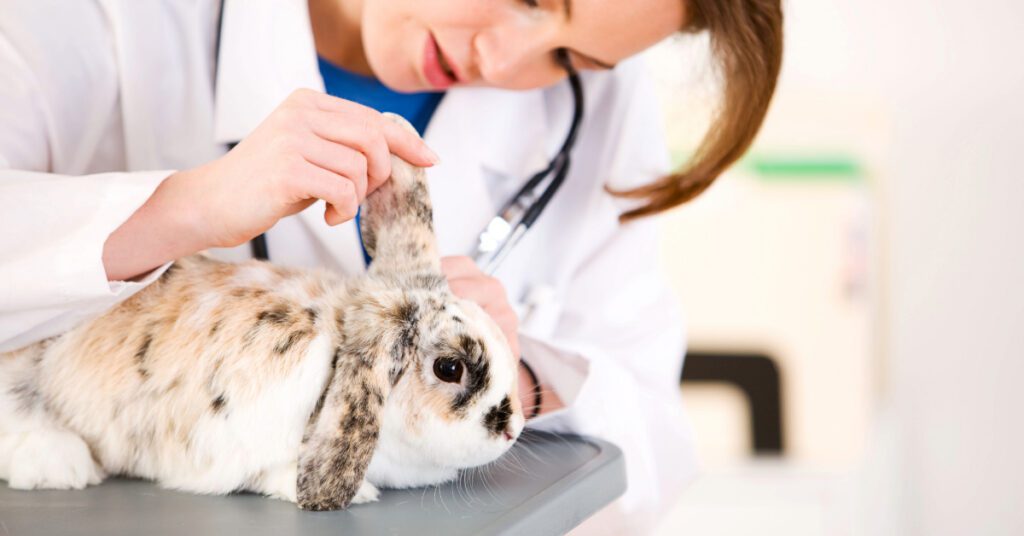
Rabbits are experts at hiding illness, which is exactly why regular routine visits to a rabbit vet matter so much more than most new owners expect. As prey animals, rabbits instinctively mask pain and weakness quite well, so by the time obvious symptoms show up at home, a health issue may already be fairly advanced.…
Read MoreWhat Causes Cat Coughing and How to Help

Cat coughing catches a lot of owners off guard, mostly because cats don’t cough nearly as often as dogs do, so when it happens, it’s genuinely worth paying close attention. Occasional cat coughing can be completely harmless, but it can also be an early sign of something that needs prompt veterinary attention. At Yalesville Veterinary…
Read MoreWhat Causes Excessive Drooling in Dogs and When to Worry

A dog drooling excessively is often nothing more than a normal reaction to food, excitement, or a hot day, but sometimes it’s a sign that something more serious is going on. Every dog drools a little, and breed, personality, and the moment all play a role in how much slobber ends up on the floor.…
Read MoreHow to Recognize Heatstroke Symptoms in Dogs Quickly

Recognizing heatstroke dog symptoms quickly can be the difference between a fast recovery and a life-threatening emergency for your dog. Dogs can’t cool down the way people do, and once their body temperature climbs too high, things can go downhill within minutes rather than hours or days. At Yalesville Veterinary Hospital, we treat heatstroke cases…
Read MoreWhat Causes Dog Dehydration and How to Prevent It

Dog dehydration happens when a dog loses more fluid than they take in, and it can turn serious faster than most owners expect. It’s not just a summer heat problem either. Dehydration can show up after a bout of vomiting, a long car ride without water breaks, or an illness that keeps a dog from…
Read MoreCan Dogs Eat Turkey Too? A Quick Safety Guide

Yes, dogs can eat turkey, but only when it’s plain, boneless, skinless, and served in moderation. Turkey itself is a lean, easily digestible protein that many dogs enjoy, especially around the holidays when the whole house smells like a roasting bird. The real question isn’t just “Can dogs eat turkey?” in general, it’s how that…
Read MoreWhat Your Hamster Needs and Why a Regular Vet Care Matters
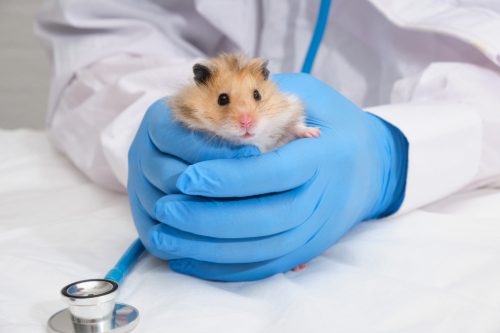
Hamsters may be small, but their needs run deeper than many new pet owners expect. Understanding what your hamster needs and why regular vet care matters helps create a safe, enriching, and healthy environment for them. When you schedule visits with a hamster vet, you give your pocket pet the chance to stay on track…
Read MoreBeyond Tired: Recognizing and Responding to Cat Lethargy

Cats sleep a lot, so noticing the difference between normal rest and true cat lethargy matters. Cat lethargy describes a noticeable drop in energy, activity, curiosity, and responsiveness. A lethargic cat often moves less, interacts less, and may appear withdrawn or unusually still. Because many conditions can lead to cat lethargy, recognizing these changes early…
Read MoreIs Your Cat Not Eating? Here’s What to Do

Cats can skip a meal on occasion, but a cat not eating for more than a short period raises concern. Appetite changes often signal that something in your cat’s world has shifted. That change may relate to stress, environmental disruptions, dental issues, or a developing health problem. When you notice your cat not eating, it’s…
Read MoreCan Dogs Eat Ham?

Ham shows up at many family gatherings and holiday meals, which makes pet owners wonder, can dogs eat ham safely? The short answer is that ham is not an ideal choice for dogs due to its high salt content, added seasonings, and preparation methods. While a very small, plain piece may not cause immediate problems…
Read More